


4000 People
Now have access to clean water

200 Families
Fed every day from our three farms

433 Children
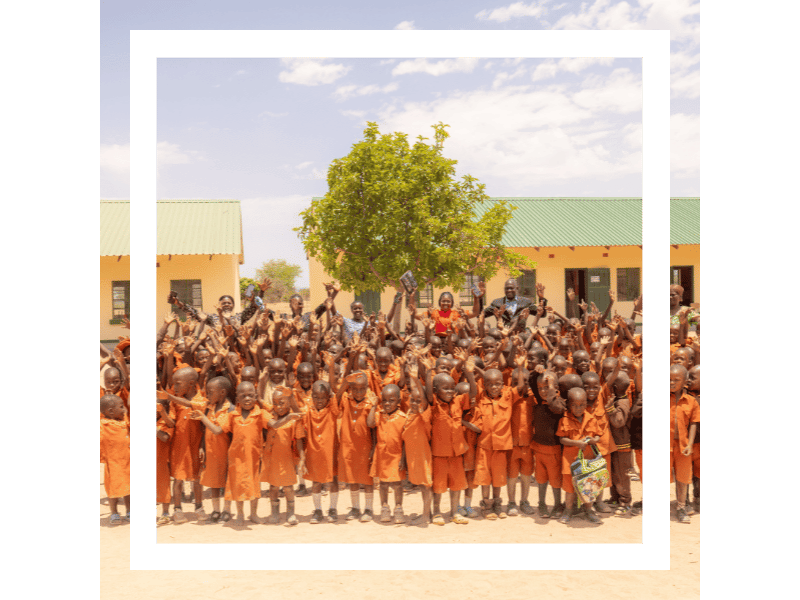
Educated at Jessie’s House Academy so far
70 Acres
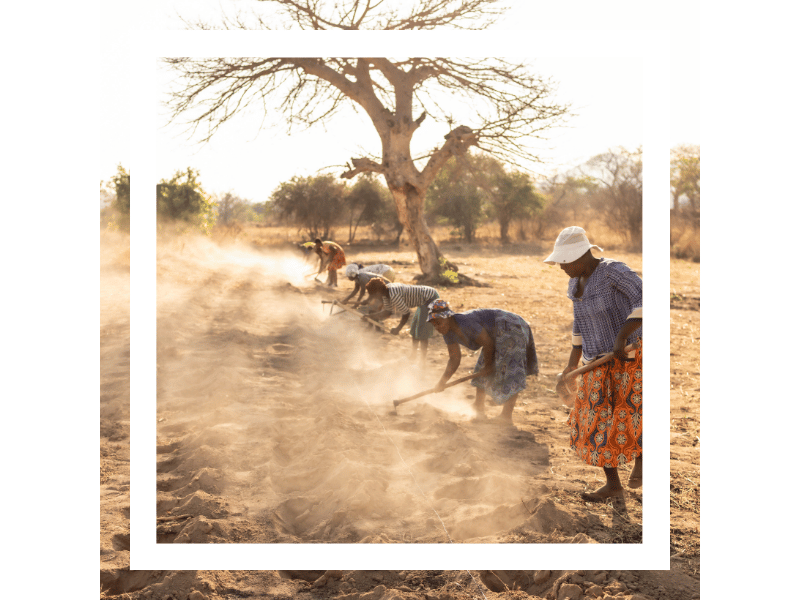
Of barren land being restored using sustainable agriculture
Jessie’s House: Changing Lives
How Jessie’s House is transforming lives in Zimbabwe
What is Jessie’s House?
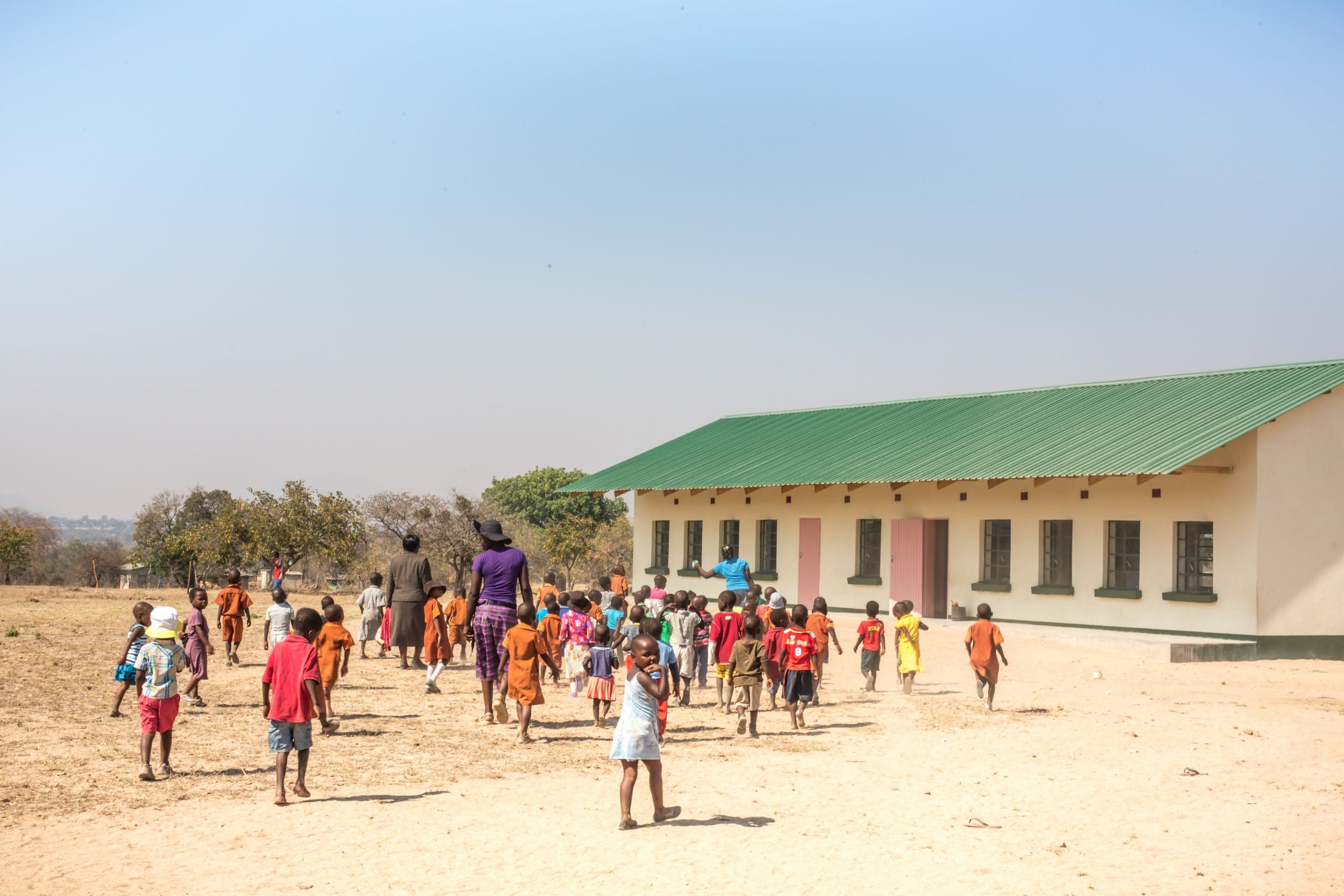
Jessie’s House is a community project in rural Zimbabwe. It has a day-care, infant school and feeding program for 160 of the most vulnerable children in Muzondo, and their families.
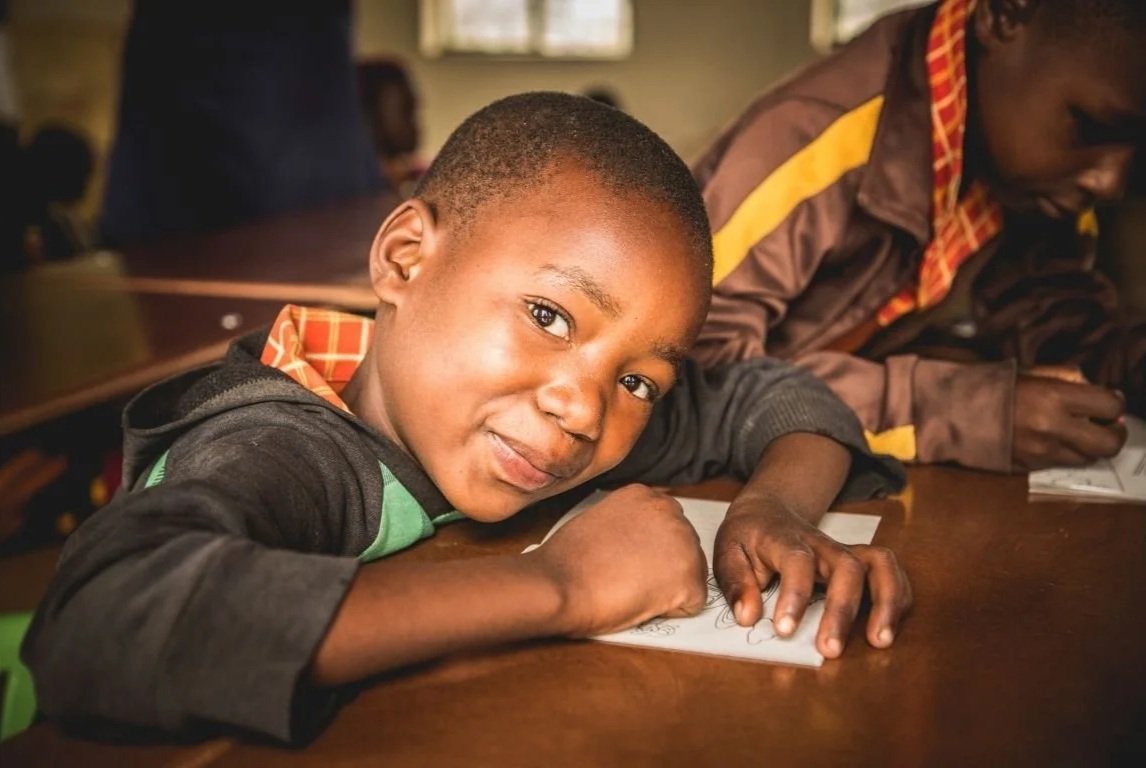
It brought clean water to the community. Its three farms and cooperative shop are the largest and most reliable food source.
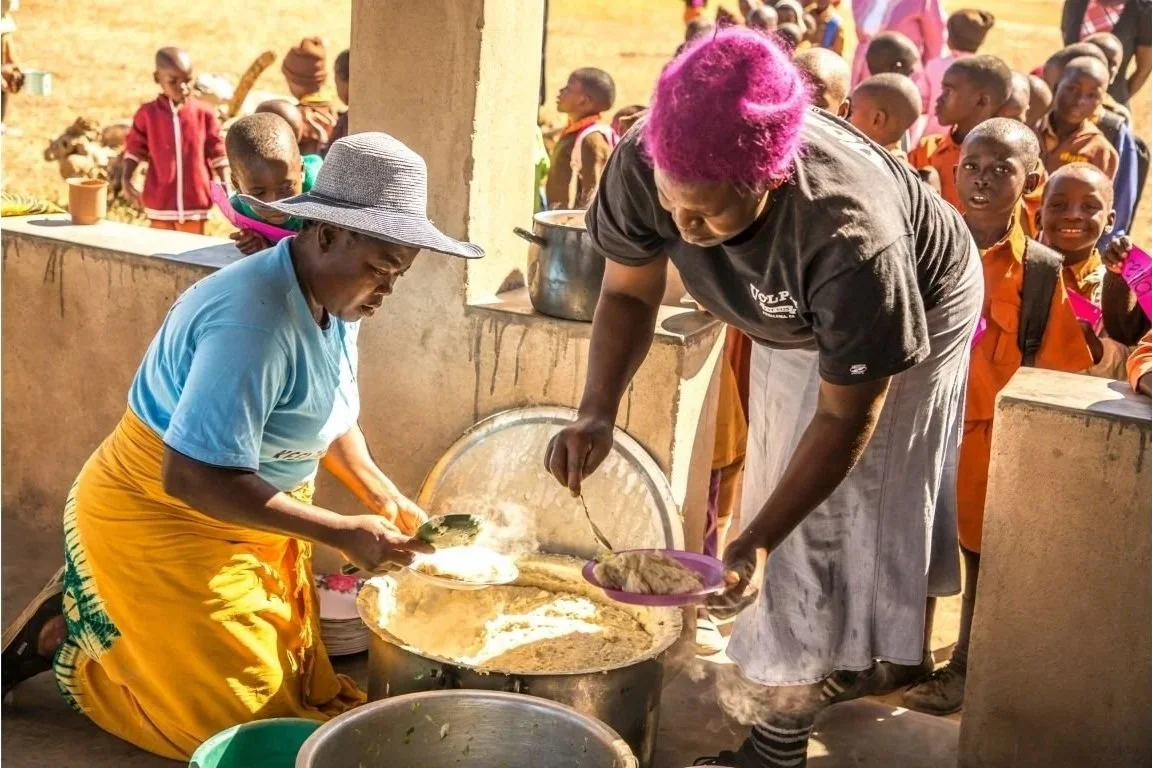
The vision of Jessie’s House is to empower Muzondo village to be able to lift itself and every child out of poverty.
5 Ways Jessie’s House is Changing Lives
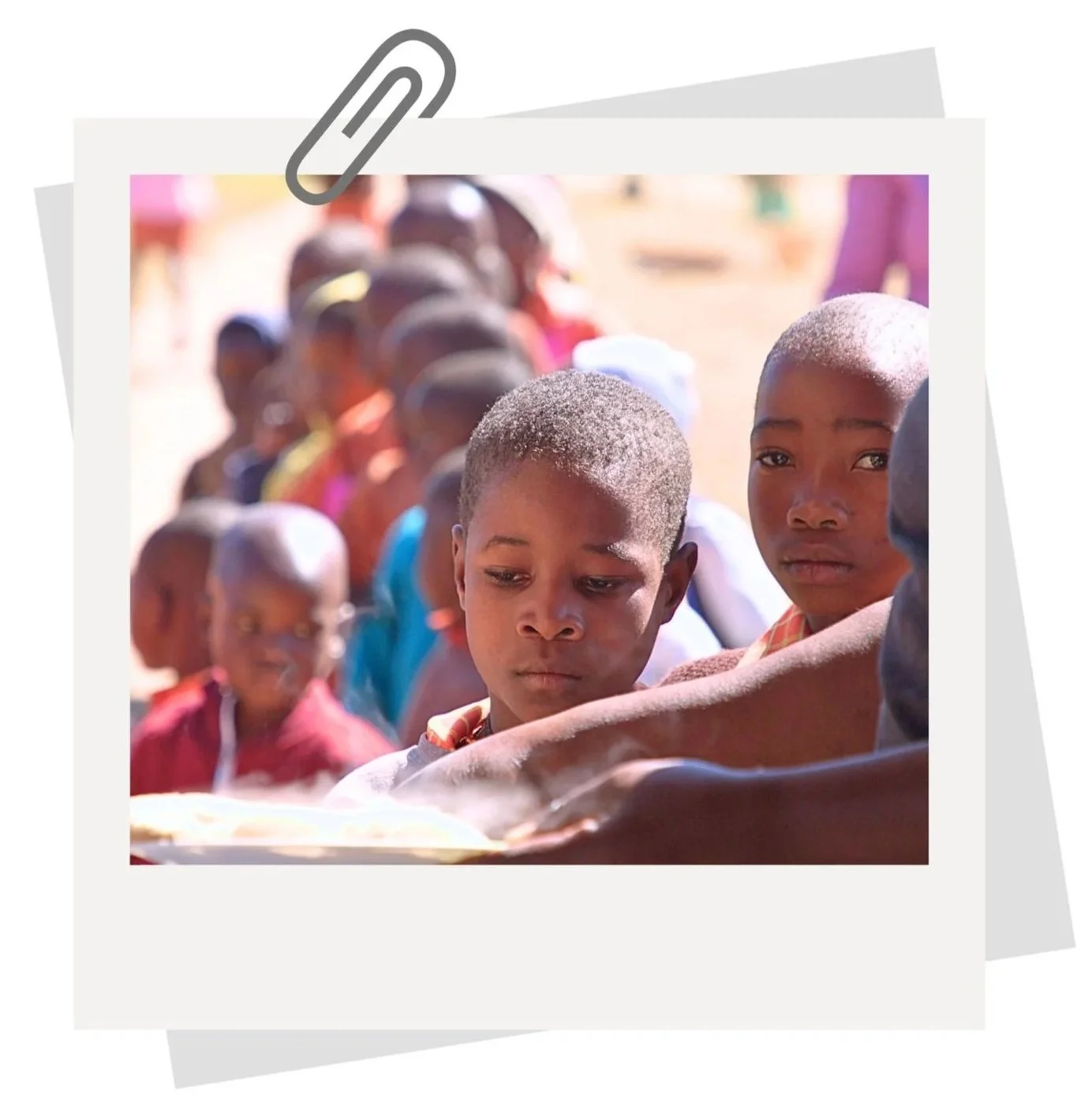
FOOD
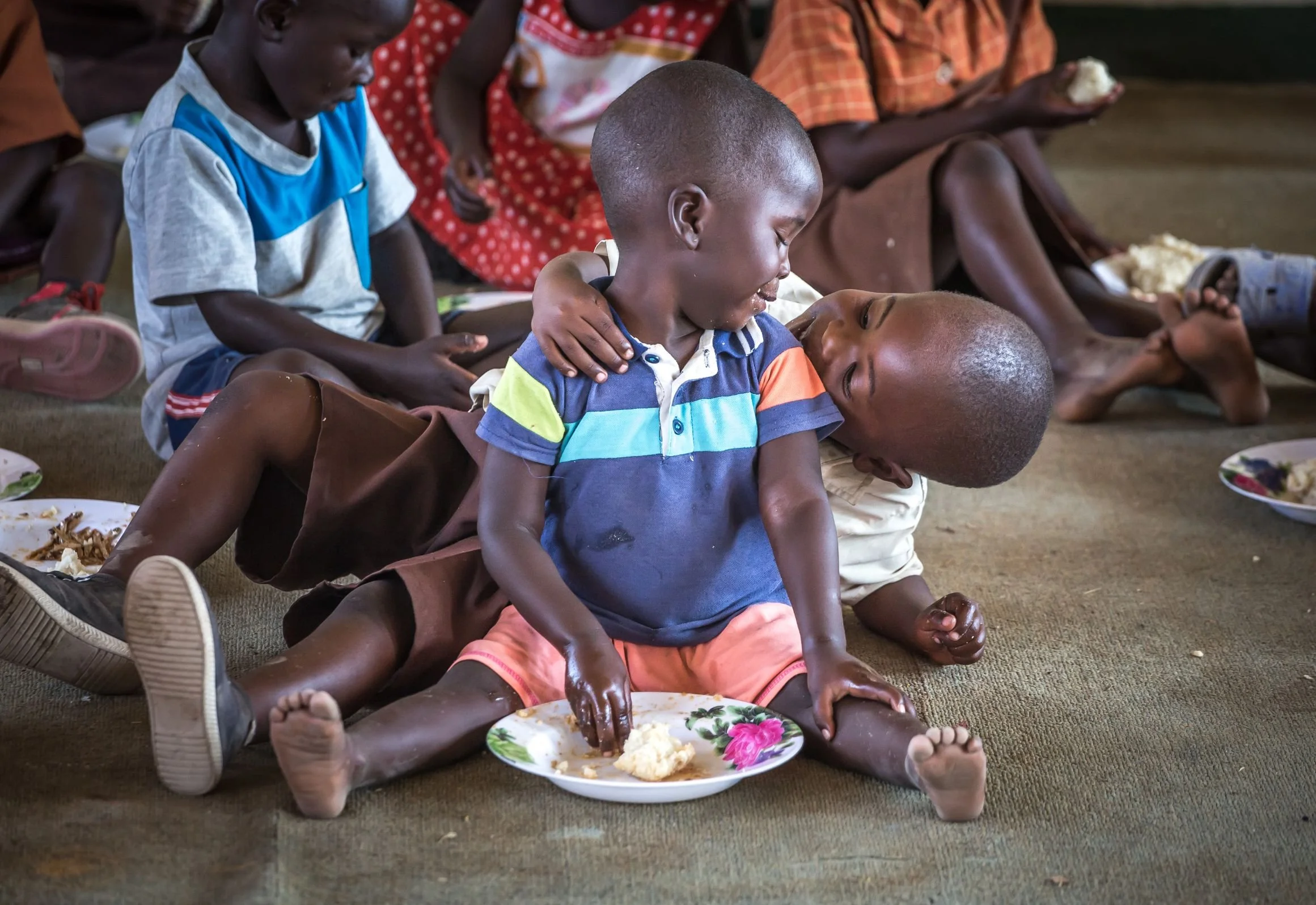
For many children, the nutritious daily meal they are given at Jessie’s House will be the only food they eat that day. Thanks to our foodbank, they can also take food home each day for their families.
1
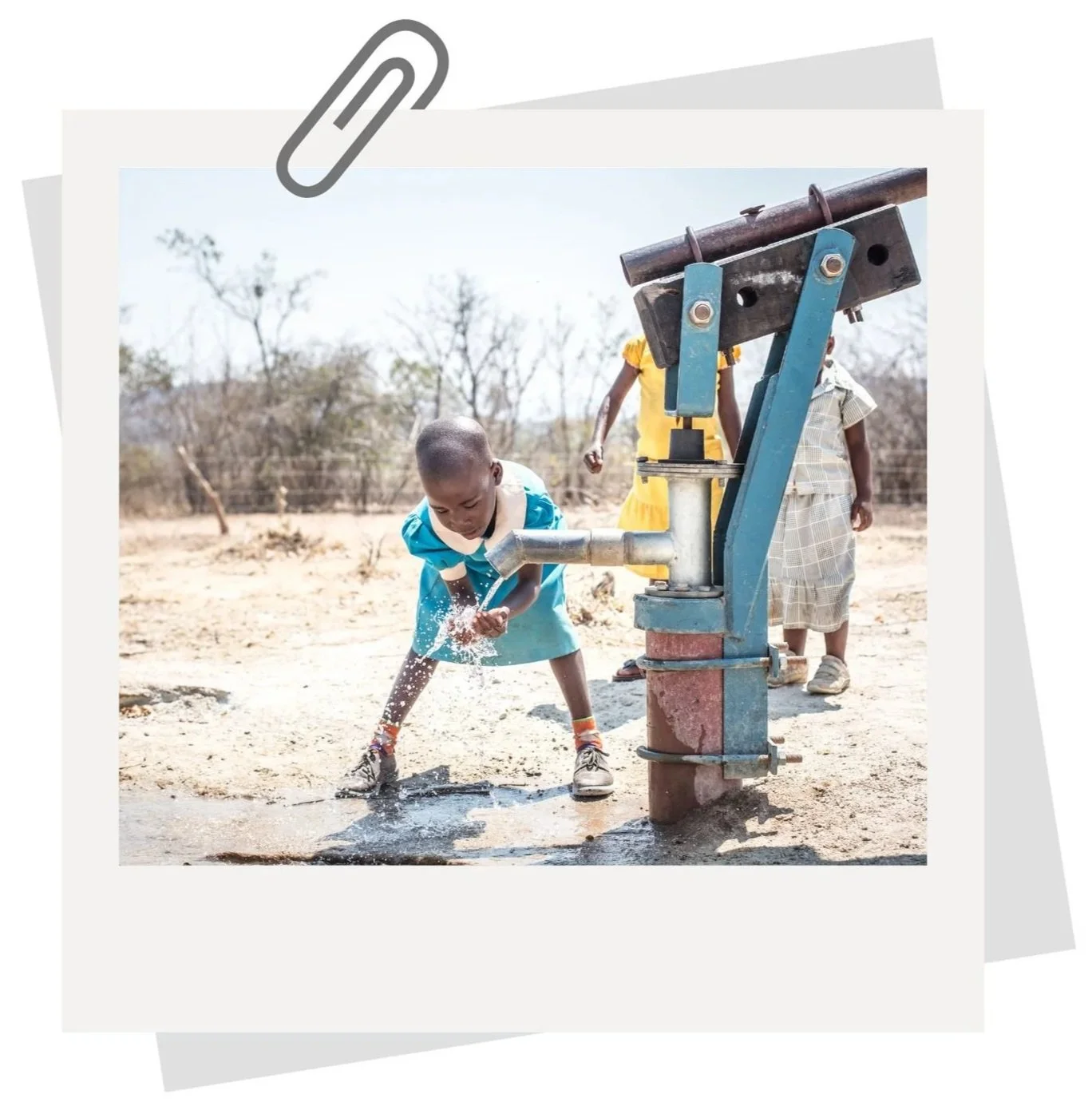
CLEAN WATER
The boreholes we dug at Jessie’s House brought clean water for the first time to this remote village.
2
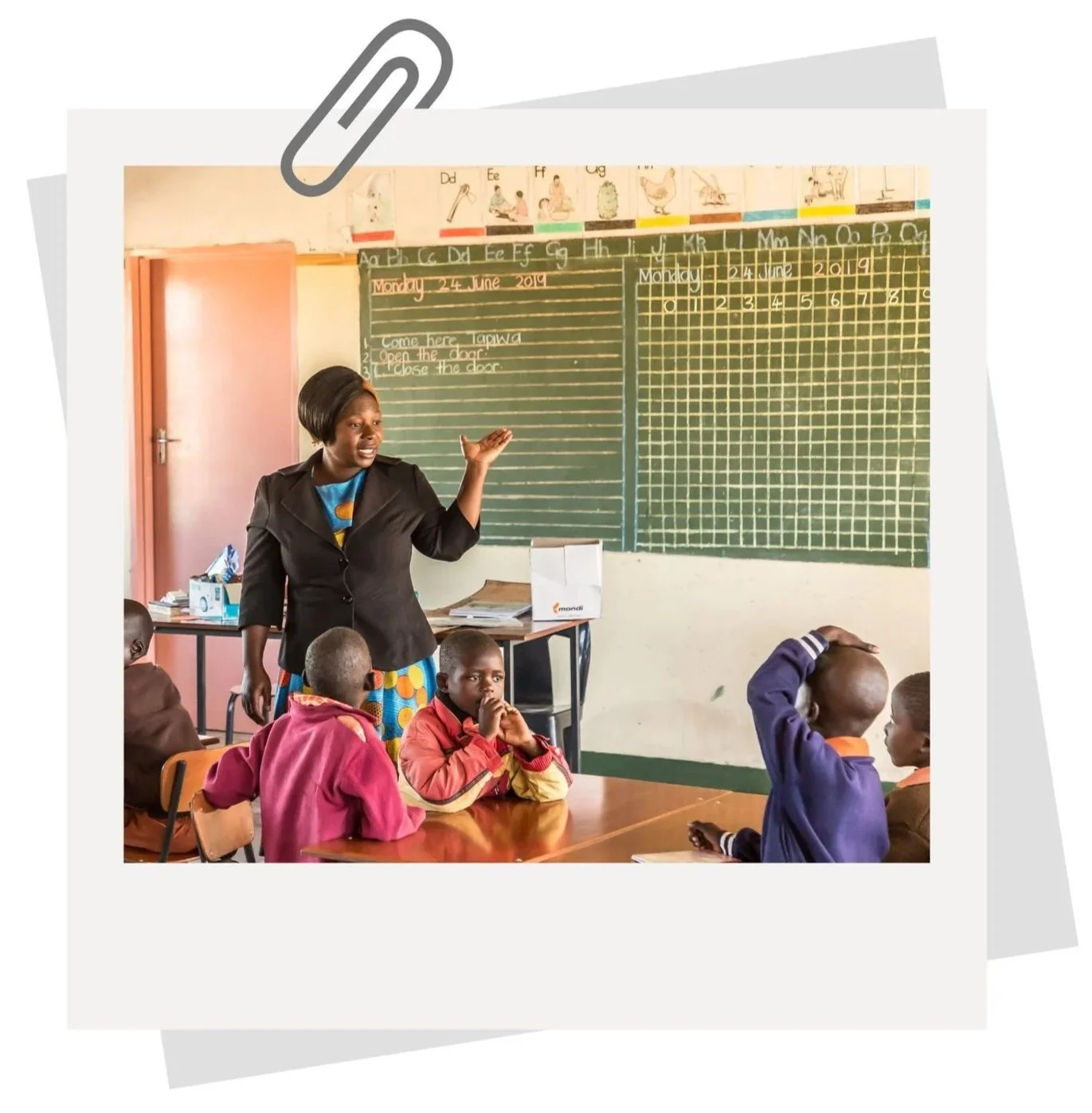
SAFETY
Children risked being raped or trafficked if they left the village to walk to school or to seek water or are left alone. Now, Jessie’s House protects them from danger and keeps them safe.
3
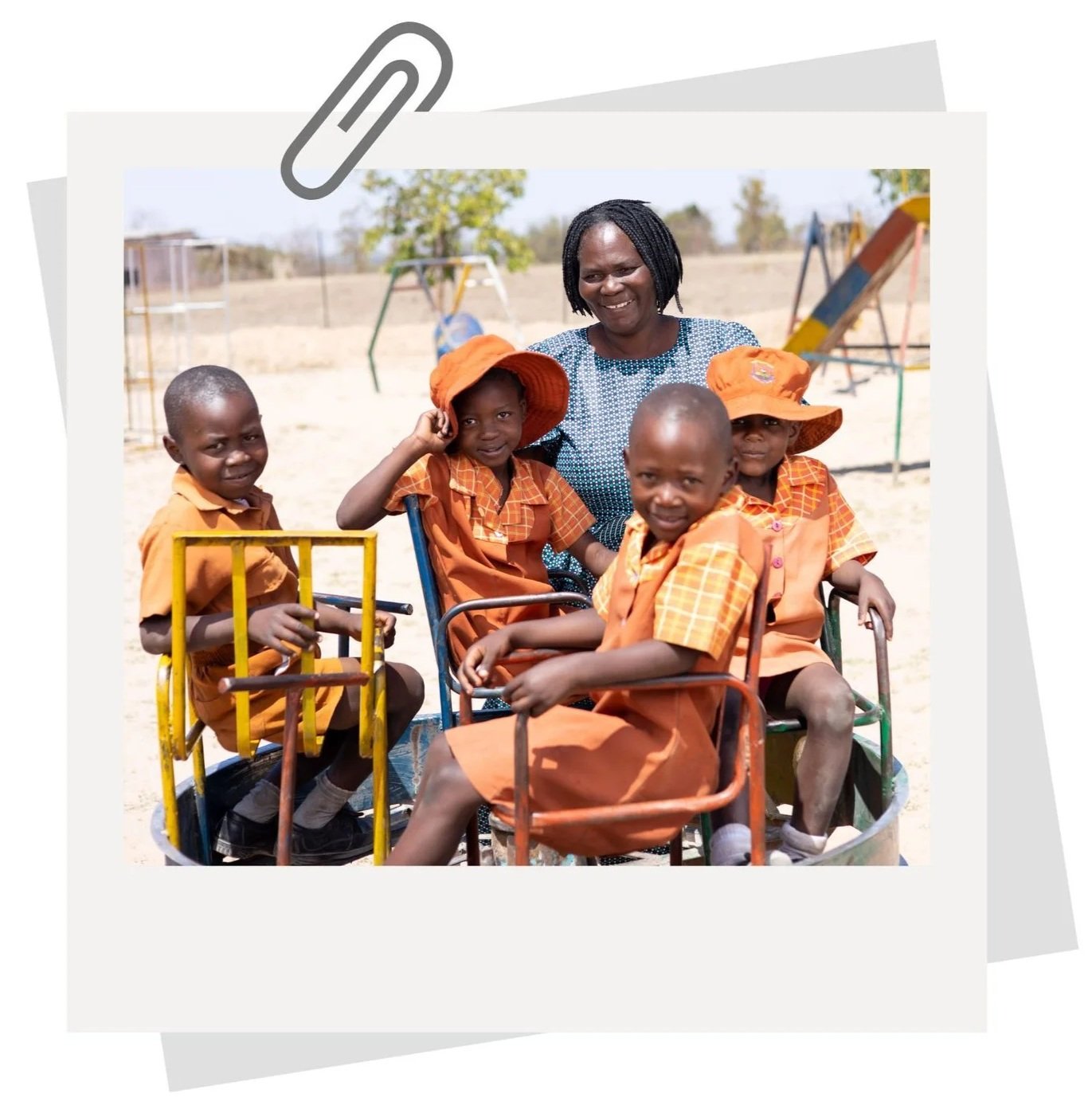
EDUCATION
Jessie’s House Academy Infant School provides education for children aged three to seven. Previously they had to walk 4km to the nearest school. The distance makes it almost impossible for children to risk the journey and most can’t afford the fees.
4
DROUGHT RESILIENCE
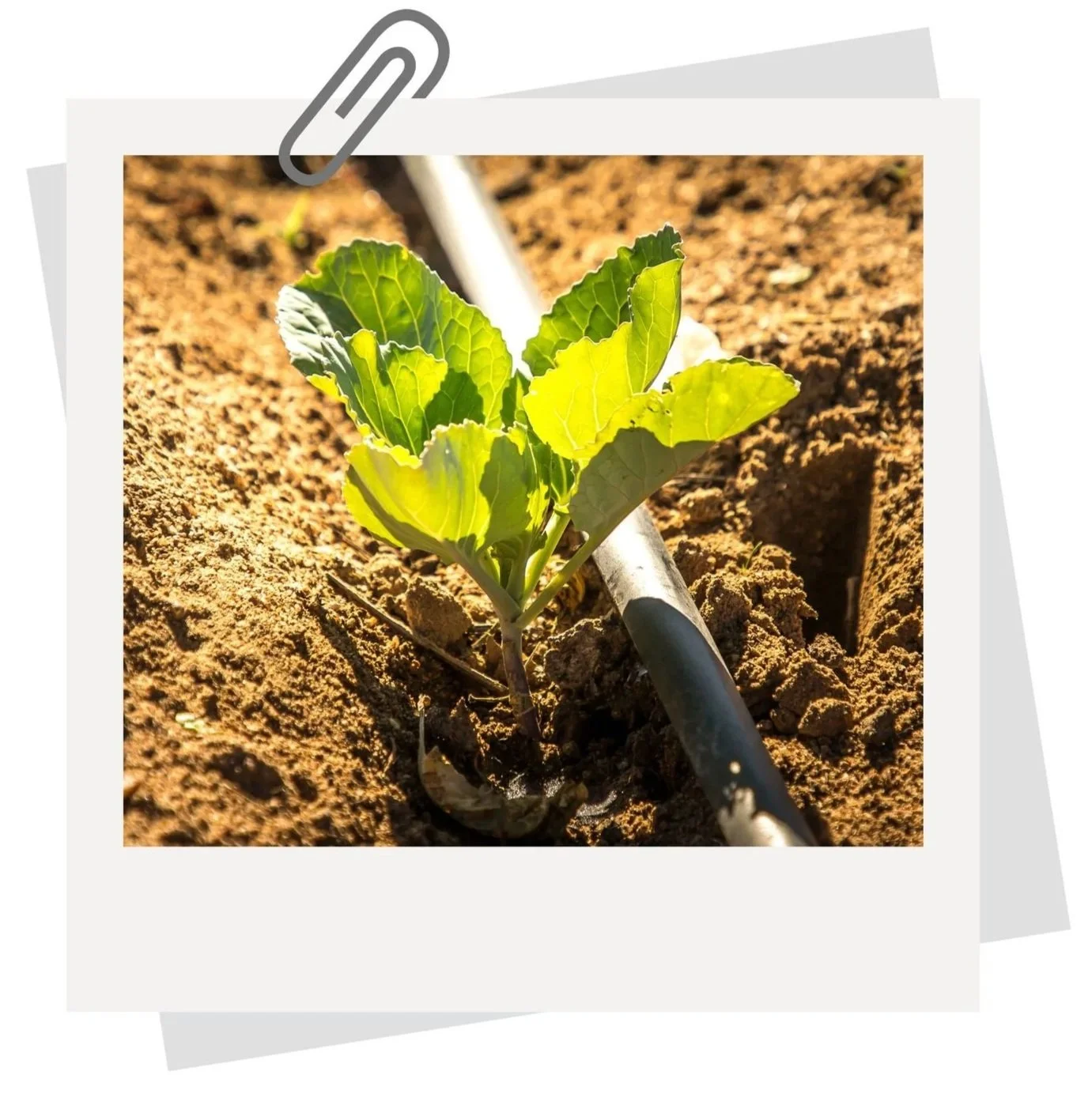
Our Farms overcome drought and provide a continuous harvest. They are the largest and most reliable food source in Muzondo. Jessie’s House Farm and the Community Farm use innovative drip technology with solar powered pumps. This delivers water straight to the root of each plant and ensures every drop of water is used and nothing is wasted.
5
Where is Jessie’s House?
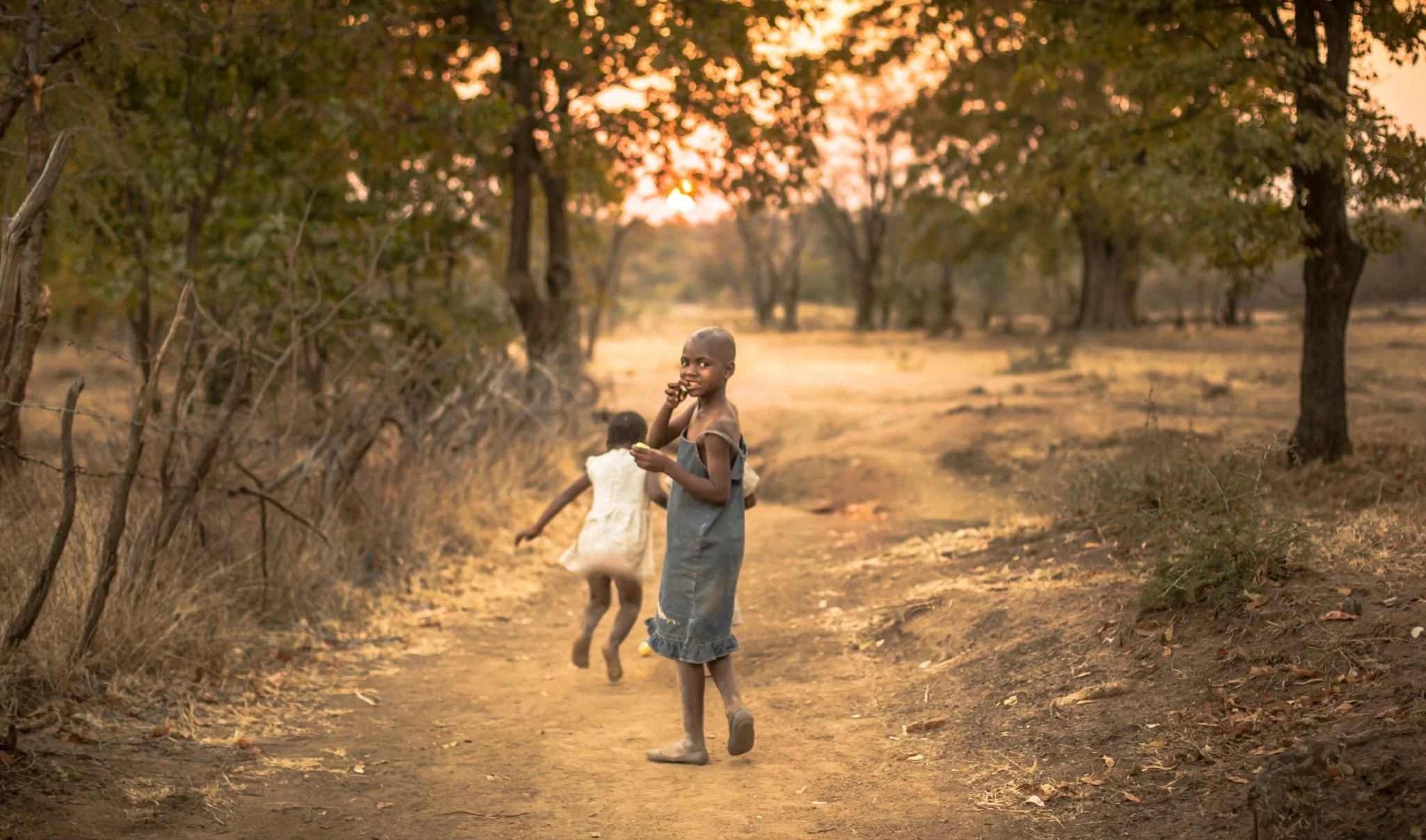
Jessie’s House is located in Muzondo, a remote village in deepest Zimbabwe, hours away from the highway. Most families in Muzondo live in ultra-poverty.
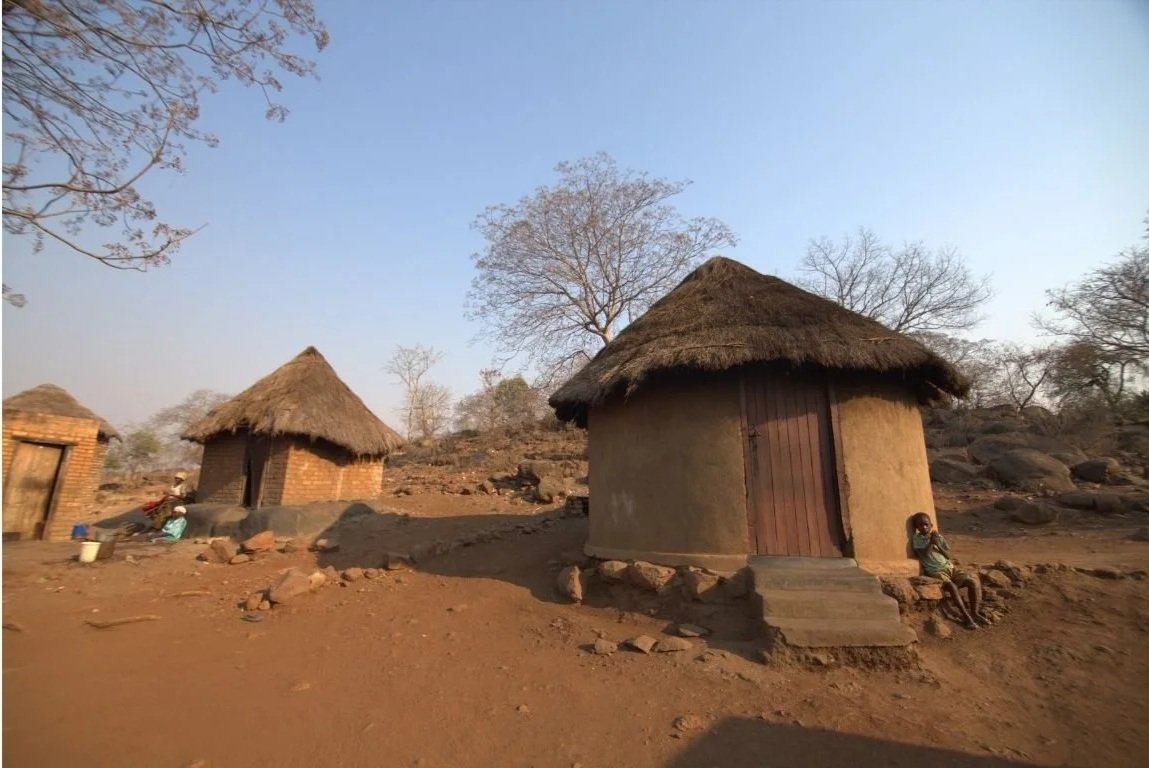
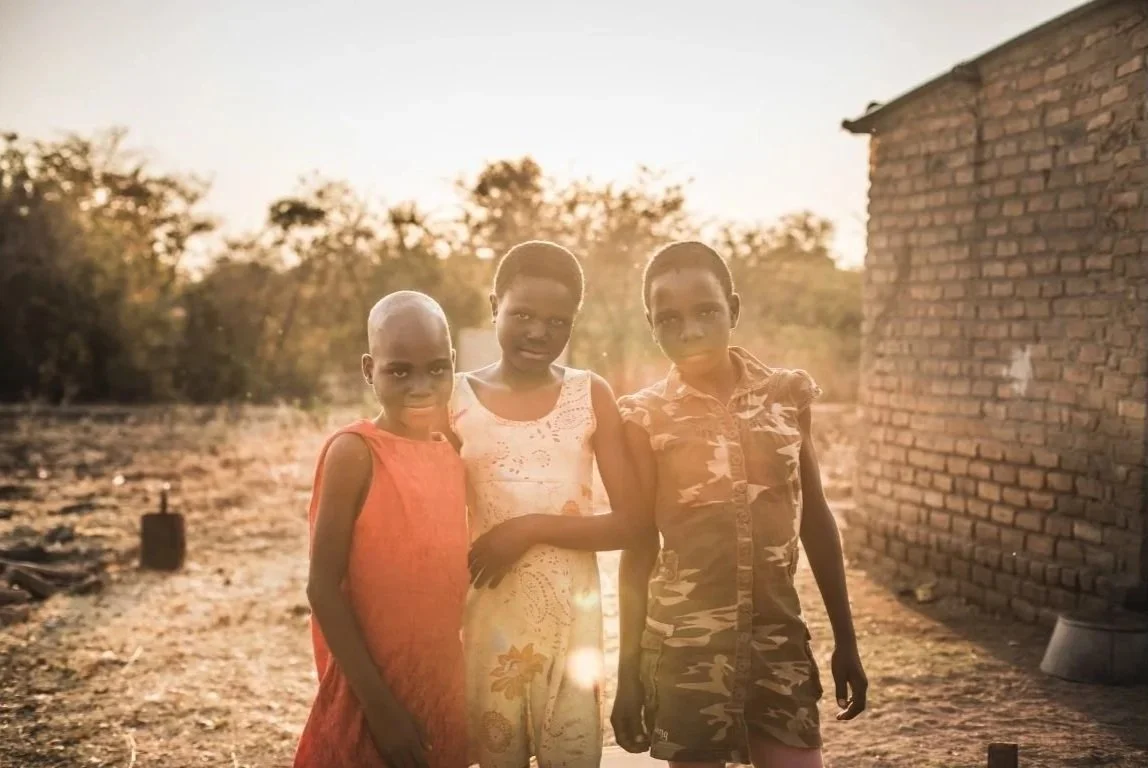
There are many child-headed households in the community. This is mainly due to the HIV epidemic and political and economic instability.
Before Jessie’s House, Muzondo had very little infrastructure. There were no schools, no supply of clean water and very little food.
Meet some friends of Jessie’s House
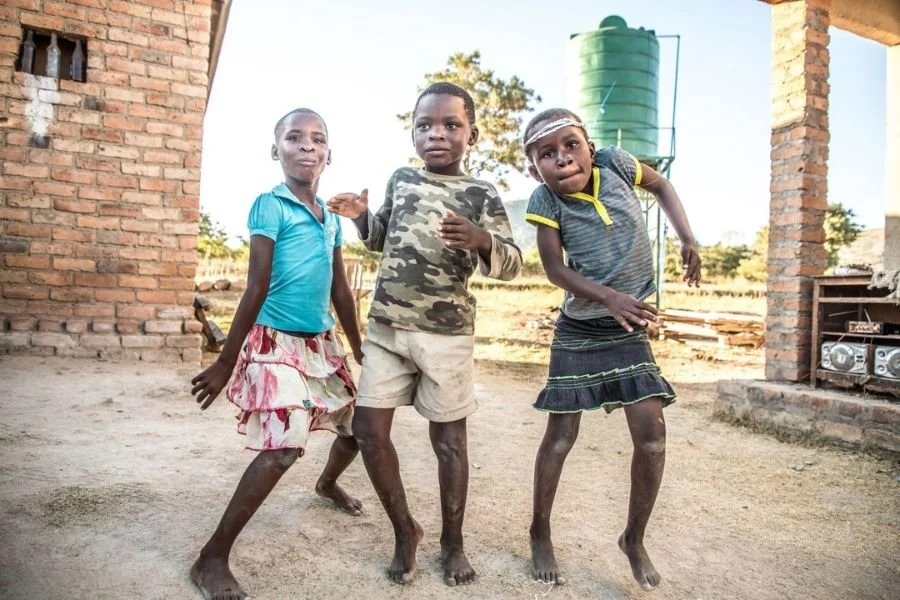
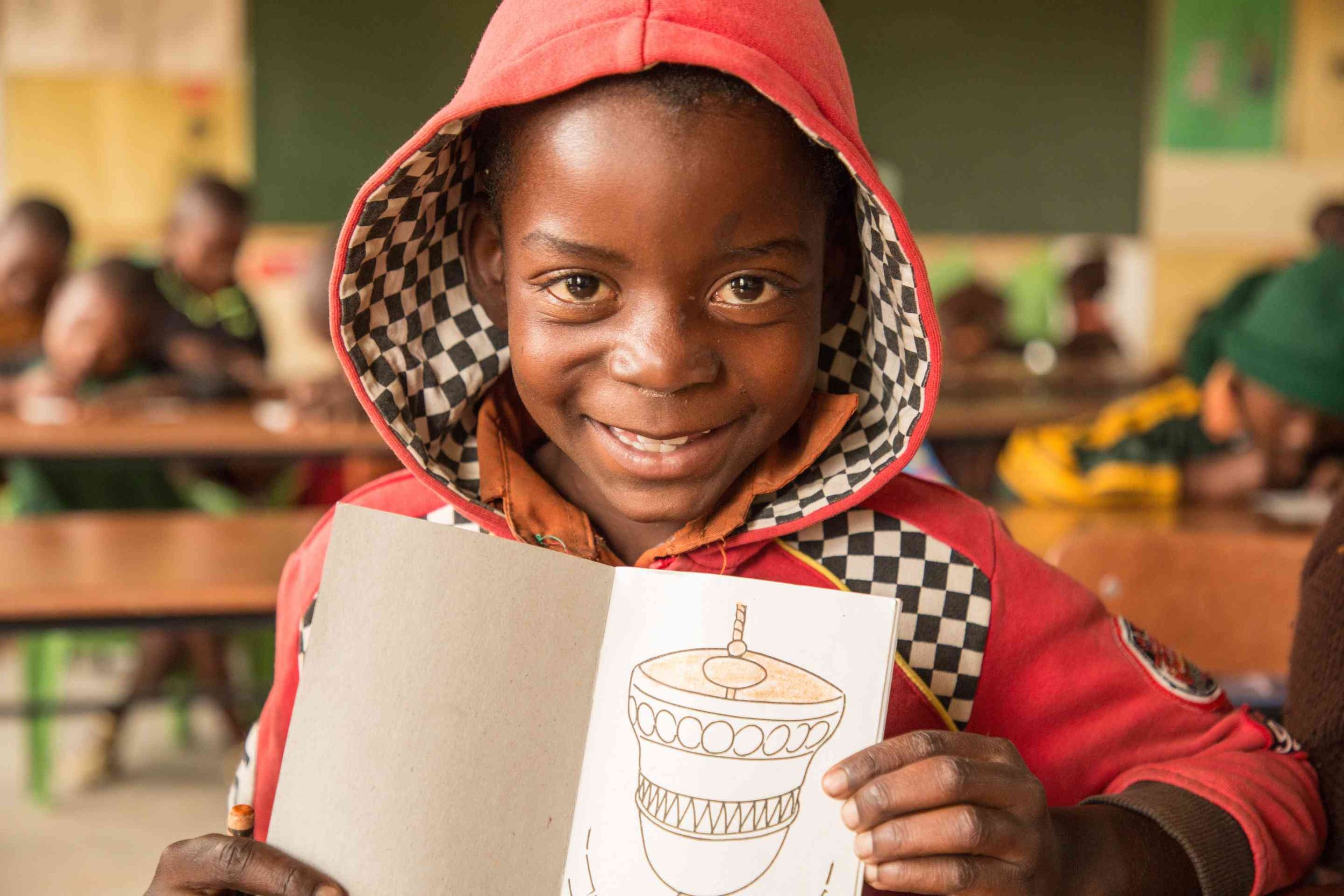
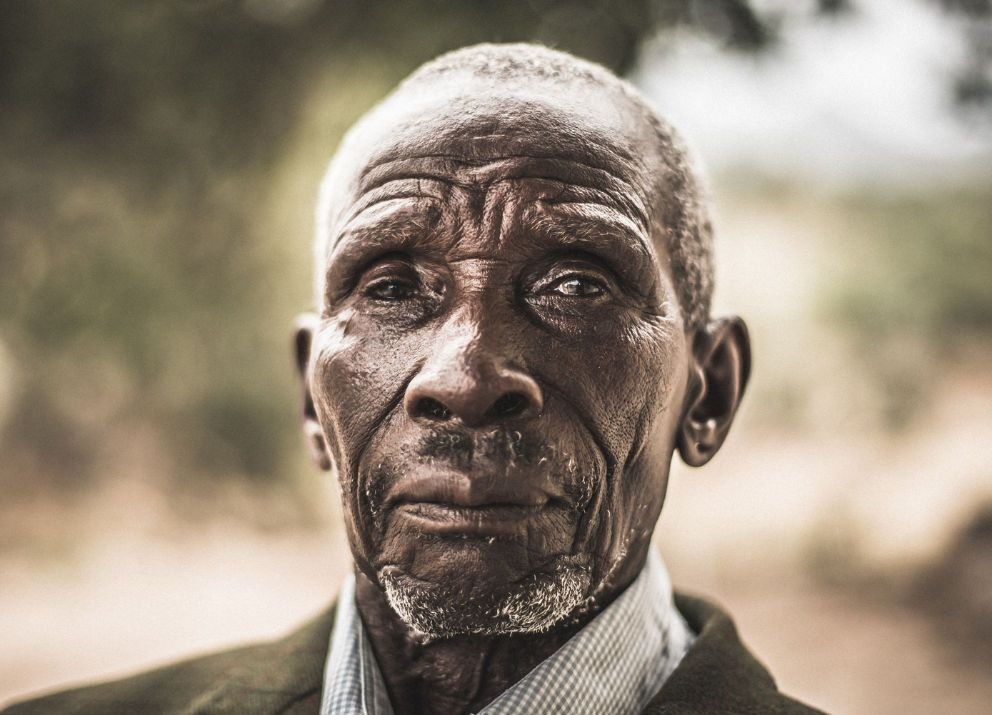
Who is Jessie?
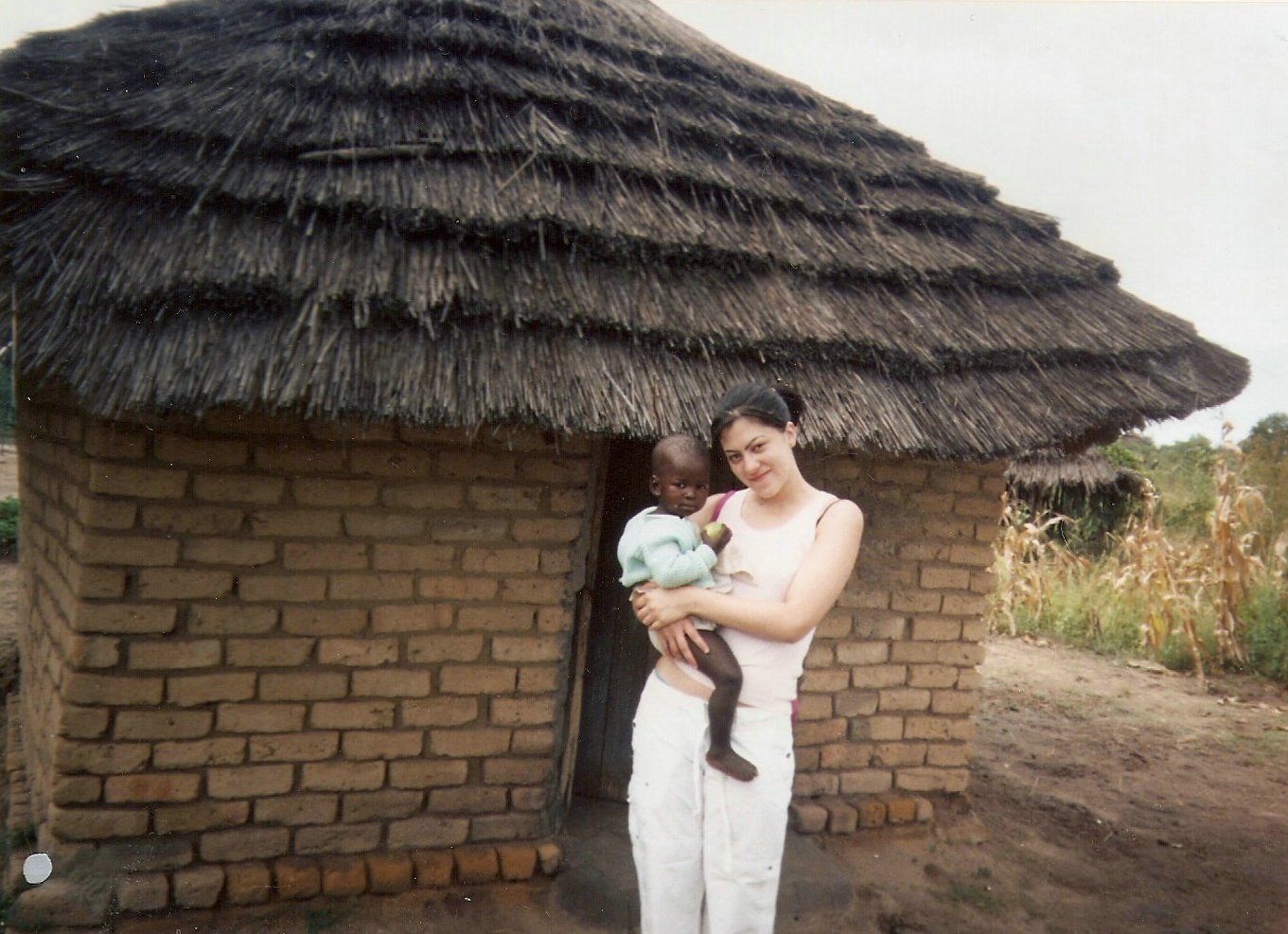
Jessie’s House is named after Jessica, beloved eldest daughter of Danny Smith (Jubilee Campaign’s founder) and sister of Rachel.
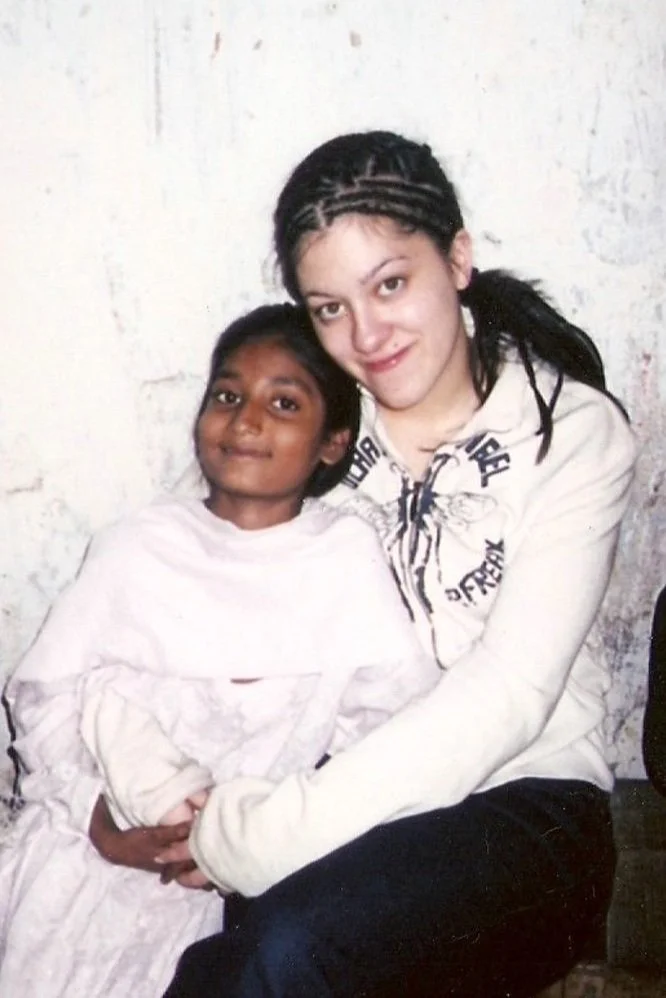
Jessica visited Zimbabwe while at university and was moved by the difficult and dangerous lives of young children she met there. She wanted to help but tragically passed away before she had the chance.

Now, Jessie’s House has been set up in her loving memory by her family and friends.
Feeling inspired? See what else we’ve achieved in Jessica’s memory
Heal the Land
Muzondo’s water crisis
Our boreholes at Jessie’s House, Zimbabwe, bring clean drinking water, improve hygiene, reduce disease and irrigate our farms, the largest food source in Muzondo. But relying on them during a drought is not sustainable. They are drying up and Muzondo is facing a water crisis: time is running out.
Restoring Muzondo’s land: Our five-year plan
Heal the Land is our solution to the water crisis. It’s a five year plan to restore water sources and achieve food security. Sustainable agriculture is a global reaction to climate change and is achieving widespread success.
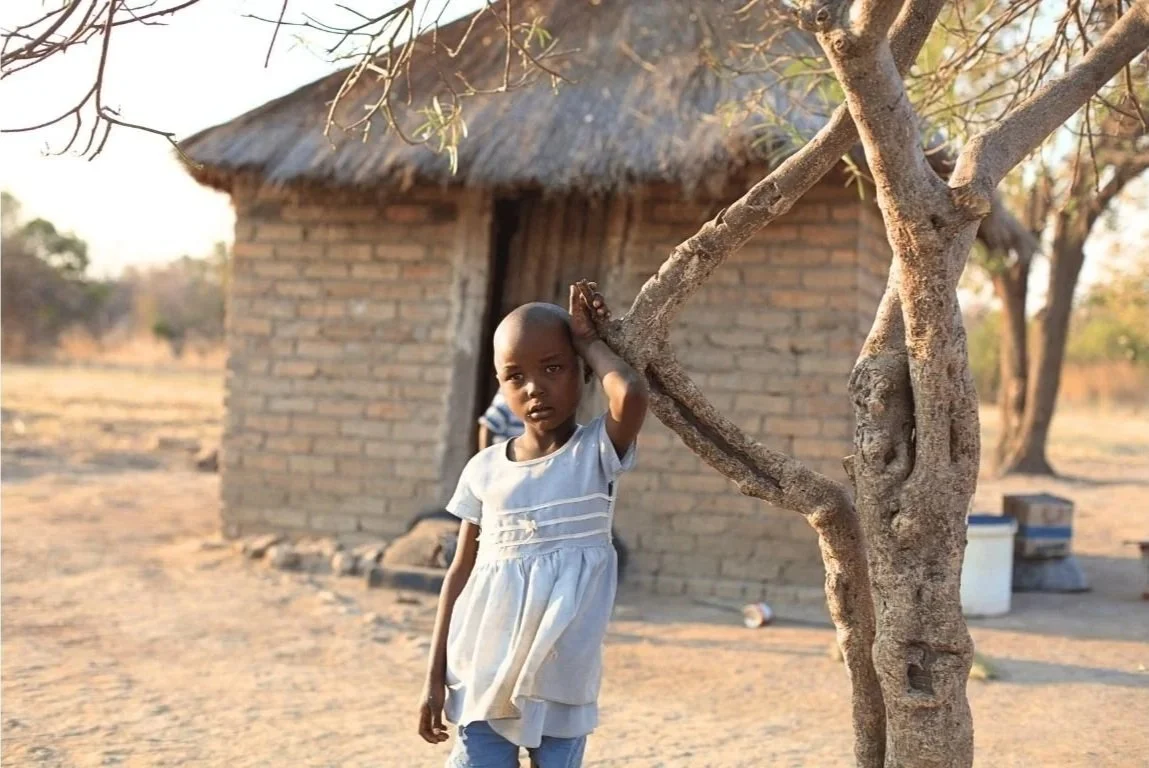
“Heal the Land will be life changing for every child in Muzondo”
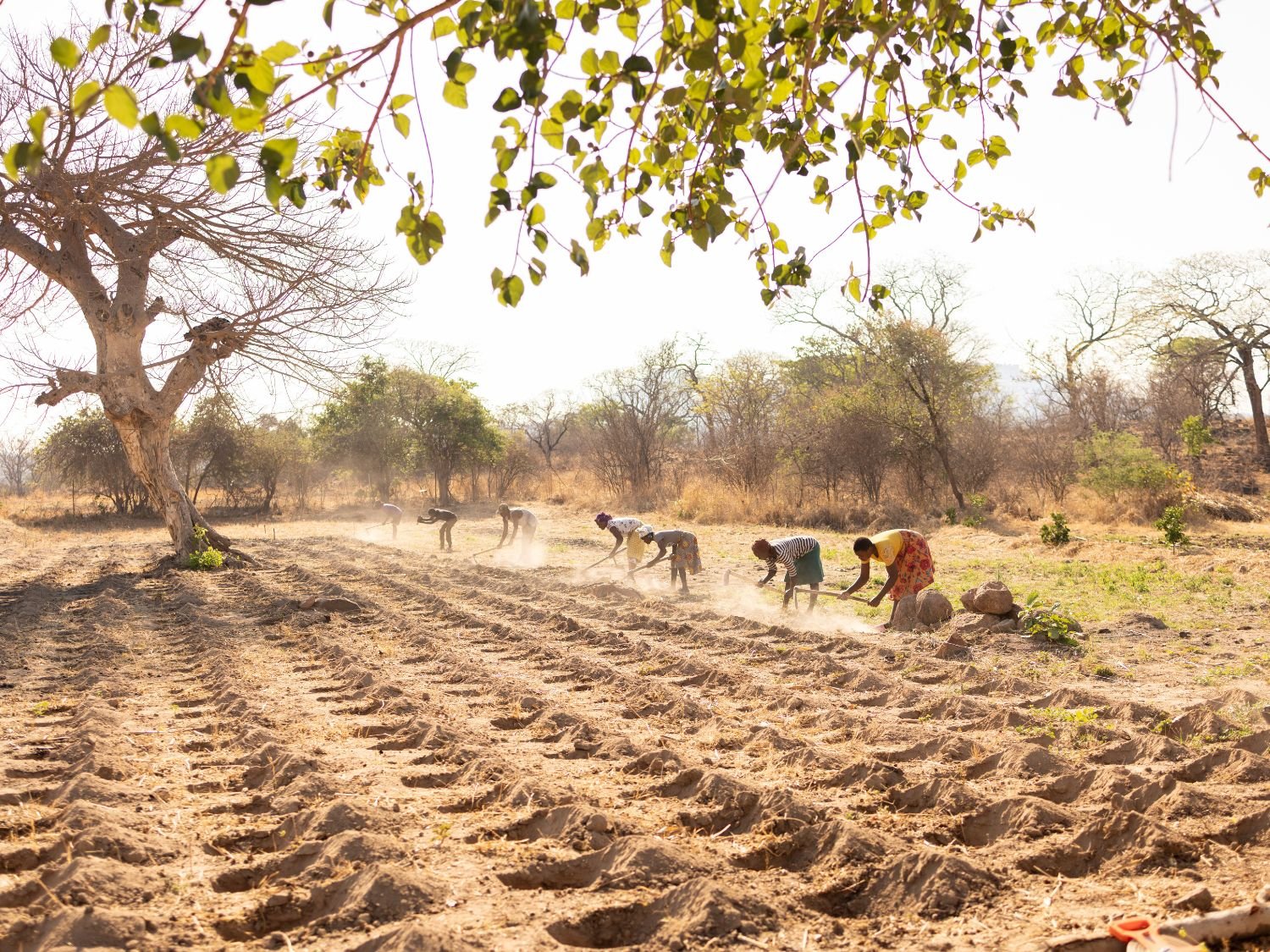
Heal the Land goals
1
Protect water sources.
2
Combat hunger and child malnutrition.
3
Improve food security for families.
4
Transform barren soil and desertified landscape.
Who will this help?
Heal the Land will change the lives of all 161 children at Jessie’s House and their families.
Children like Taya (below), who used to walk five miles daily for clean water but now gets water and a nutritious meal every day at Jessie’s House, where she attends school for free.
Many children helped by Jessie’s House are orphaned or from child headed households.
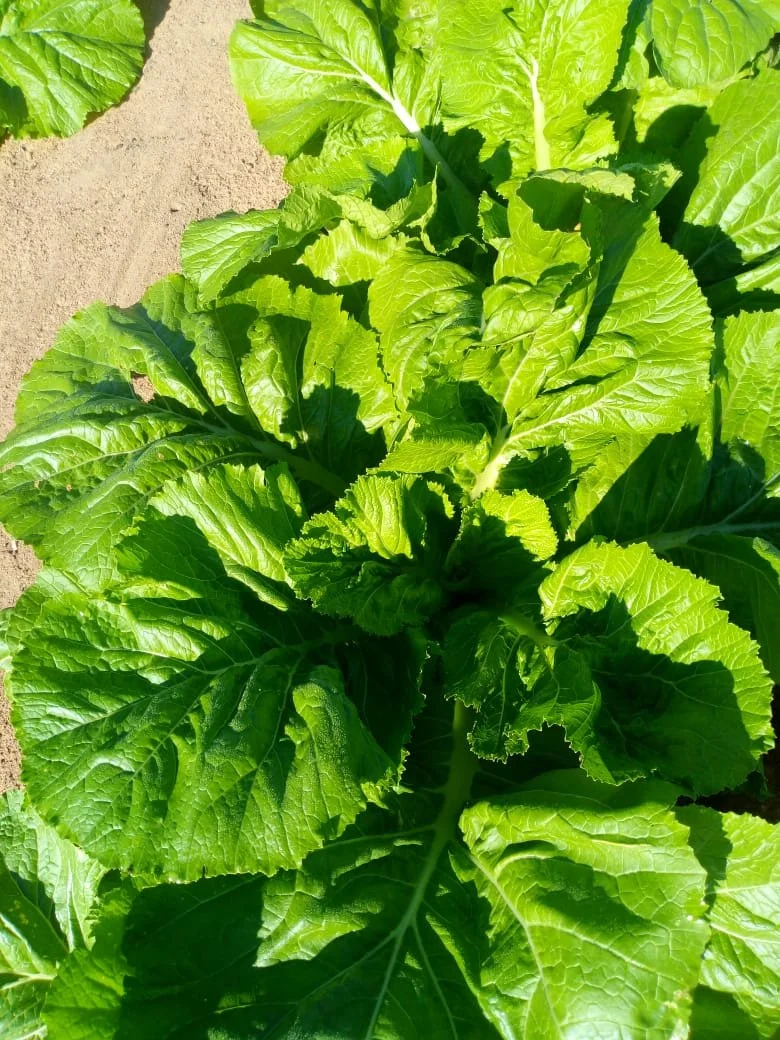
Sustainable agriculture
Farming in a way that enriches the environment and improves natural resources instead of depleting them. Our goal is to protect Muzondo’s water sources and achieve food security for every family.
Why can’t families in Muzondo grow food?
Most families in Muzondo are subsistence farmers, meaning they survive only on what they can grow. Their farming methods are unsustainable and have left the soil too unhealthy to be used.
During the colonial era, the Rhodesian government took most of the fertile land. Local Zimbabweans were allocated land in barren regions, including Muzondo. This land was unsuitable for farming and families have struggled to feed themselves ever since.
Zimbabwe is experiencing one of the worst droughts in living memory (BBC News, 2024). This, combined with the unusable soil is the cause for extreme hunger and malnutrition for most children in Muzondo.
Will this be successful?
Sustainable agriculture is already being used to improve communities all over the world.
We have partnered with The Chikukwa Project, Zimbabwe, who used permaculture techniques to transform six villages in their local area.
We are confident that, with their training and guidance, Muzondo can be transformed in the same way.
How will sustainable agriculture help the land?
Permaculture techniques and principles will restore the land in Muzondo.
This will encourage ecosystems to develop which will put nutrients back into the soil.
The land will be healthy enough to support crops.
Plants that help each other to thrive will be planted together.
Water harvesting techniques will be used to help the land retain its water.
How does sustainable agriculture work?
Sustainable agriculture builds healthy soil and prevents erosion. Permaculture techniques and principles produce plants while protecting and regenerating natural ecosystems. This leads to restored and protected water sources and land that can support crops.
Our team
The Heal the Land team are training in sustainable agriculture, permaculture practices and water harvesting techniques with experts in Zimbabwe.
Digging swales, basins besides crops, companion planting and accelerated tree planting are some techniques used by the team.